



ERα
ERα (estrogen receptor alpha, ESR1) is a ligand-activated nuclear receptor and transcription factor that mediates estrogen-dependent gene regulation across reproductive, metabolic, skeletal, cardiovascular, and neural tissues[1][2]. Upon estrogen binding, ERα regulates transcriptional programs controlling cellular proliferation, differentiation, development, and tissue homeostasis, thereby linking hormonal signaling to broad physiological responses[1][3]. Mechanistically, ERα functions through both nuclear transcriptional regulation and membrane-initiated signaling pathways, enabling coordinated genomic and non-genomic responses to estrogen stimulation[4]. Dysregulated ERα signaling contributes to multiple human diseases, particularly hormone-dependent cancers, where ERα acts as a major driver of tumor growth and progression and serves as a clinically important therapeutic target[1][5]. In experimental and disease models, altered ERα activity has also been associated with metabolic disorders, cardiovascular disease, inflammation, neurodegeneration, and osteoporosis, highlighting its central role in systemic estrogen signaling[1][2]. Compared with the related isoform ERβ, ERα generally promotes proliferative transcriptional programs, whereas ERβ frequently counterbalances ERα activity through inhibitory or modulatory effects on ERα-mediated gene expression[2][6]. This functional divergence is a key consideration when dissecting estrogen receptor biology and disease mechanisms[2][6]. For experimental applications, selective estrogen receptor modulators and ERα-targeting antagonists, including tamoxifen, raloxifene, and fulvestrant, are widely used to investigate ERα-dependent pathways and to evaluate endocrine therapeutic responses in disease models[2].
References:
- [1]. Jia M, et al. Estrogen receptor alpha and beta in health and disease. Best Pract Res Clin Endocrinol Metab. 2015 Aug;29(4):557-68. [Content Brief]
- [2]. Chen P, et al. Role of estrogen receptors in health and disease. Front Endocrinol (Lausanne). 2022 Aug 18;13:839005. [Content Brief]
- [3]. Paterni I, et al. Estrogen receptors alpha (ERα) and beta (ERβ): subtype-selective ligands and clinical potential. Steroids. 2014 Nov;90:13-29. [Content Brief]
- [4]. Arnal JF, et al. Membrane and Nuclear Estrogen Receptor Alpha Actions: From Tissue Specificity to Medical Implications. Physiol Rev. 2017 Jul 1;97(3):1045-1087. [Content Brief]
- [5]. Citterio CE, et al. Novel compound heterozygous Thyroglobulin mutations c.745+1G>A/c.7036+2T>A associated with congenital goiter and hypothyroidism in a Vietnamese family. Identification of a new cryptic 5' splice site in the exon 6. Mol Cell Endocrinol. 2015 Mar 15;404:102-12. [Content Brief]
- [6]. Swedenborg E, et al. Regulation of estrogen receptor beta activity and implications in health and disease. Cell Mol Life Sci. 2009 Dec;66(24):3873-94. [Content Brief]
All Product Categories
-
ERα Inhibitors
(30)
View all products
-
ERα Agonists
(12)
View all products
-
ERα Antagonists
(15)
View all products
-
ERα Activators
(2)
View all products
-
ERα Modulators
(14)
View all products
-
ERα Chemical
(1)
View all products
-
ERα Degraders
(36)
View all products
-
ERα Ligands
(12)
View all products
-
ER-alpha Proteins
(1)
View all products
-
ERα Related Products (130)
Related Products (130)

-
Recombinant Proteins (1)
-
4-Hydroxytamoxifen
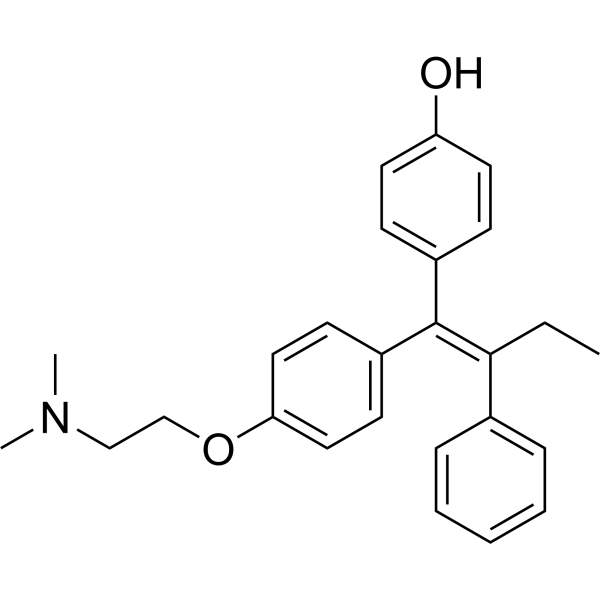 0 ImagesSynonyms: (Z)-4-Hydroxytamoxifen; trans-4-Hydroxytamoxifen; (Z)-Afimoxifene4-Hydroxytamoxifen ((Z)-4-Hydroxytamoxifen) is an orally active, selective estrogen receptor modulator (SERM). 4-Hydroxytamoxifen ((Z)-4-Hydroxytamoxifen) is also the active metabolic form of Tamoxifen (HY-13757A) in vivo and can be used to induce gene knockout in transgenic mice expressing CreER.
-
Kaempferol
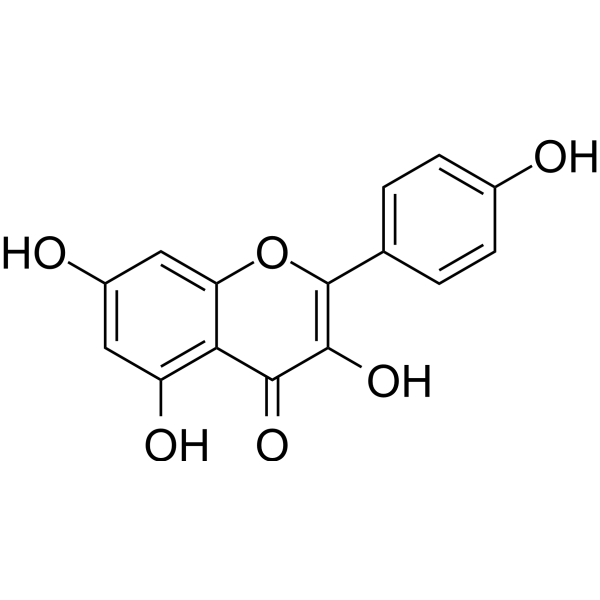 0 ImagesKaempferol (Kempferol), a flavonoid found in many edible plants, inhibits estrogen receptor α expression in breast cancer cells and induces apoptosis in glioblastoma cells and lung cancer cells by activation of MEK-MAPK. Kaempferol can be uesd for the research of breast cancer.
-
Propyl pyrazole triol
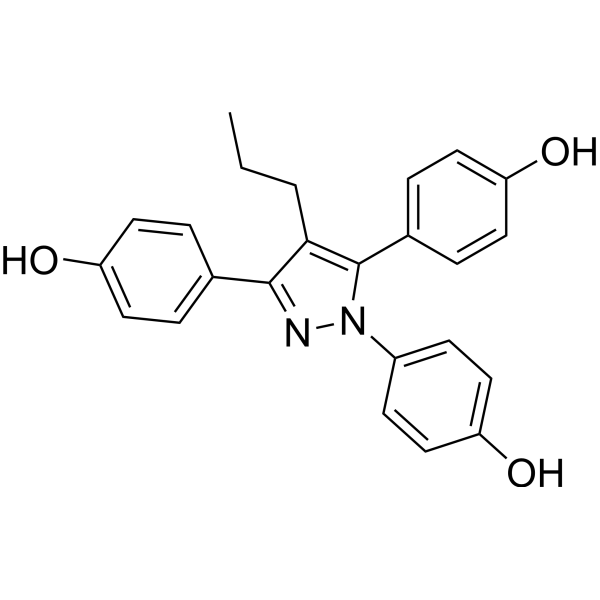 0 ImagesSynonyms: PPTPropyl pyrazole triol (PPT) is a selective estrogen receptor alpha (ERα) agonist. The relative binding affinity of Propyl pyrazole triol for ERα (ERα: 49%) around 410 times higher compared with estrogen receptor beta (ERβ: 0.12%).
-
Giredestrant
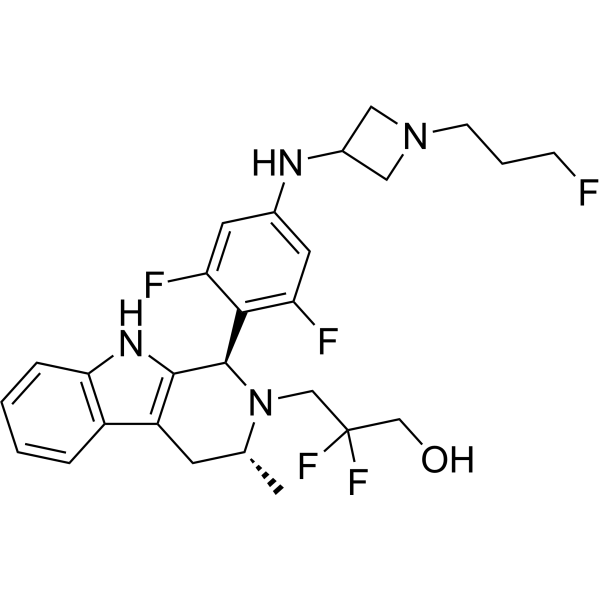 0 ImagesSynonyms: GDC-9545; RG6171Giredestrant (GDC-9545) is an orally active, full, selective Estrogen receptor α (ERα) degrader and antagonist with a DC50 of 0.03 nM. Giredestrant promotes the degradation of ERα protein, including the ESR1Y537S mutant ERα. Giredestrant reduces uterine wet weight in immature rats and induces a low cuboidal phenotype in their endometrial epithelium. Giredestrant induces tumor regression in both ESR1Y537S mutant and wild-type ERα tumor models. Giredestrant can be used for the research of ER+ breast cancer.
-
(Z)-Ligustilide
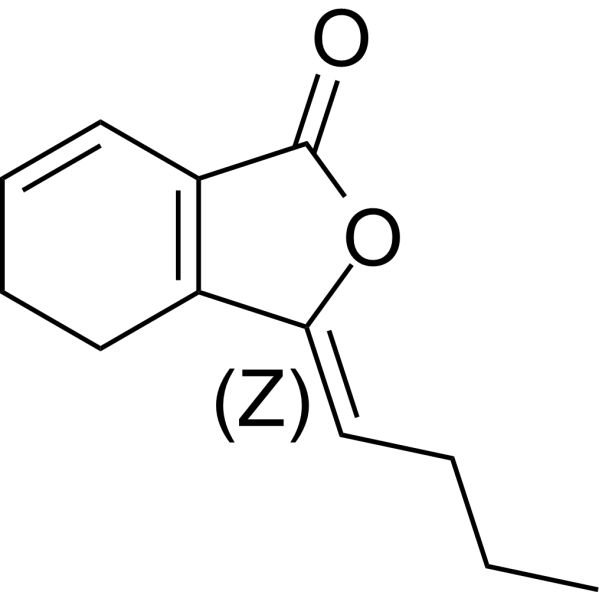 0 Images(Z)-Ligustilide is extracted from Ligusticum chuanxiong Hort, has antimicrobial and antifungal activity, exhibits an average antifungal score of 5.6. (Z)-Ligustilide is orally active, it inhibits the expression of FATP5 and DGAT, inhibits fatty acid uptake and esterification in mice and has potential as therapeutics for nonalcoholic fatty liver disease (NAFLD) . (Z)-Ligustilide is also able to reactivate ERα, has epigenetic regulation, and is used in the study of tamoxifen-resistant breast cancer.
-
Kaempferol (Standard)
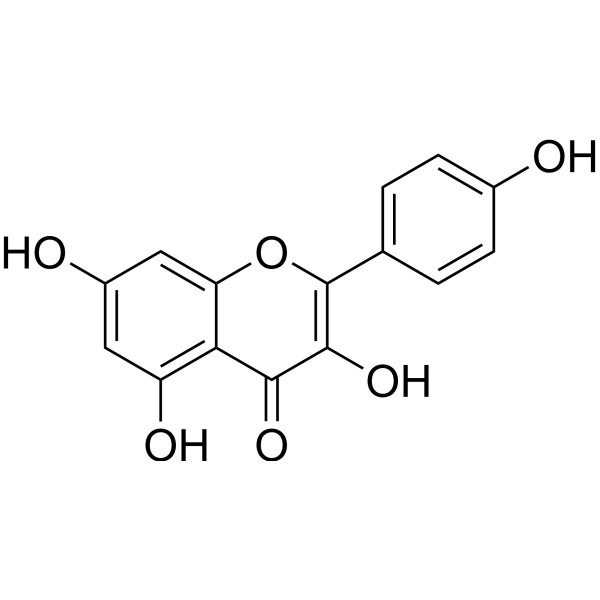 0 ImagesSynonyms: Kempferol(Standard); Robigenin (Standard)Kaempferol (Standard) is the analytical standard of Kaempferol. This product is intended for research and analytical applications. Kaempferol (Kempferol), a flavonoid found in many edible plants, inhibits estrogen receptor α expression in breast cancer cells and induces apoptosis in glioblastoma cells and lung cancer cells by activation of MEK-MAPK. Kaempferol can be uesd for the research of breast cancer.
-
Hexestrol
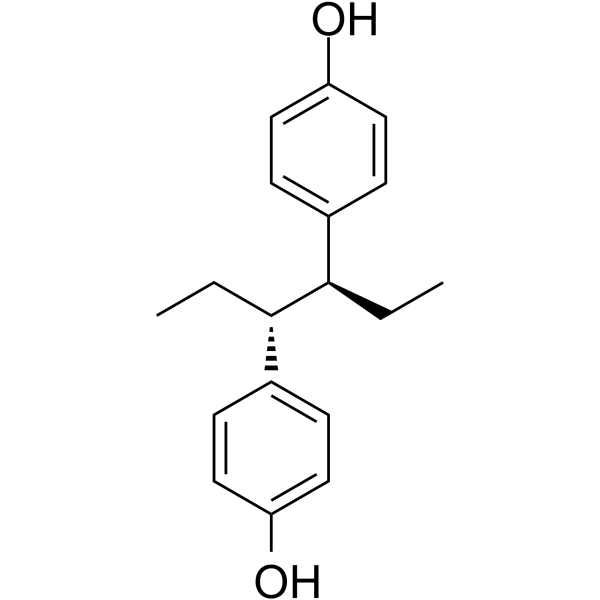 0 ImagesHexestrol is a nonsteroidal synthetic estrogen, with a Ki of 0.06 and 0.06 nM for estrogen receptor alpha (ERα) and ERβ. Hexestrol can be used for the research of the diseases caused by estrogen deficiencym, and it also can increase the weight of cattle.
-
PROTAC ERα Degrader-4
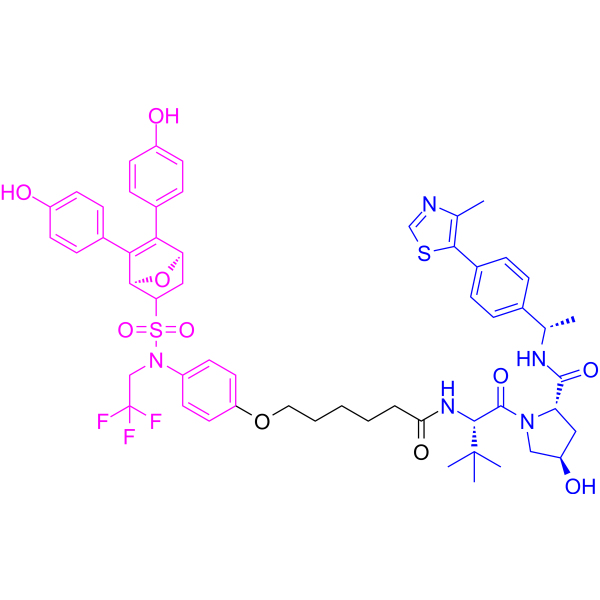 0 ImagesPROTAC ERα Degrader-4 (Compound ZD12) is a highly potent and selectivePROTAC ERα degrader (Ki: 5.08 μM). PROTAC ERα Degrader-4 contains OBHSAs, linker and E3 ligase ligands. PROTAC ERα Degrader-4 shows excellent cell inhibitory and ERα degradation activity against Tamoxifen-sensitive and -resistant ER+ breast cancer (BC) cells and ERα-mutated BC cells. PROTAC ERα Degrader-4 can induce apoptosis and can be used for cancer research.
-
MPP dihydrochloride
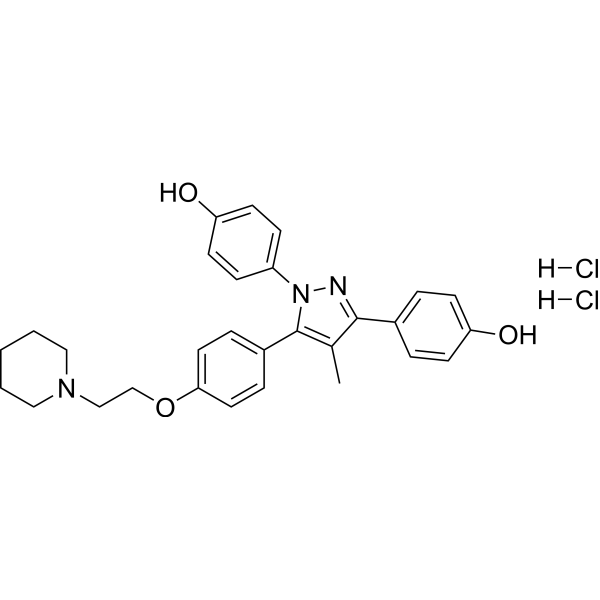 0 ImagesMPP dihydrochloride is a potent and selective ER (estrogen receptor) modulator. MPP dihydrochloride induces significant apoptosis in the endometrial cancer and oLE cell lines. MPP dihydrochloride reverses the positive effects of beta-estradiol. MPP dihydrochloride has mixed agonist/antagonist action on murine uterine ERalpha in vivo.
-
AZD9496
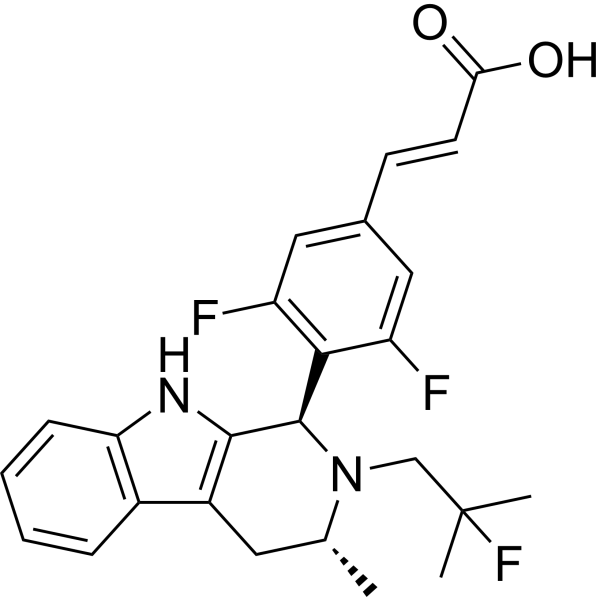 0 ImagesAZD9496 is an effective, selective estrogen receptor (ERα) antagonist with an IC50 of 0.28 nM. AZD9496 is an orally active, selective estrogen receptor degrader (SERD).
-
Endoxifen
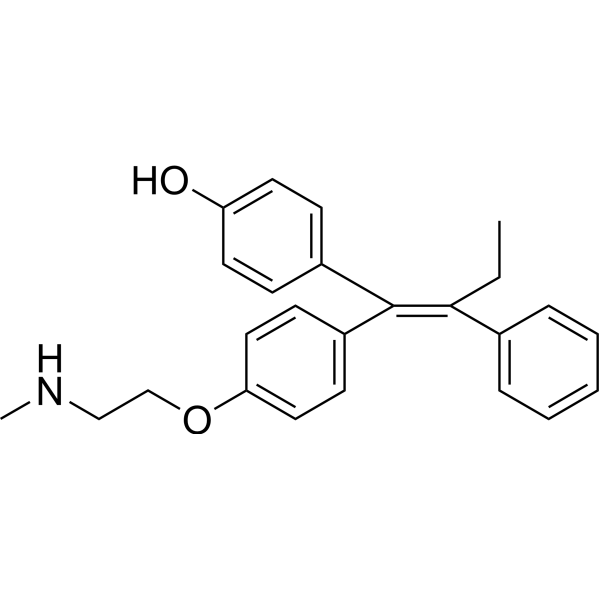 0 ImagesEndoxifen is a key active metabolite of tamoxifen (TAM) with higher affinity and specificity to estrogen receptor that also inhibits aromatase activity. Endoxifen has the potential for breast cancer study.
-
MPP hydrochloride
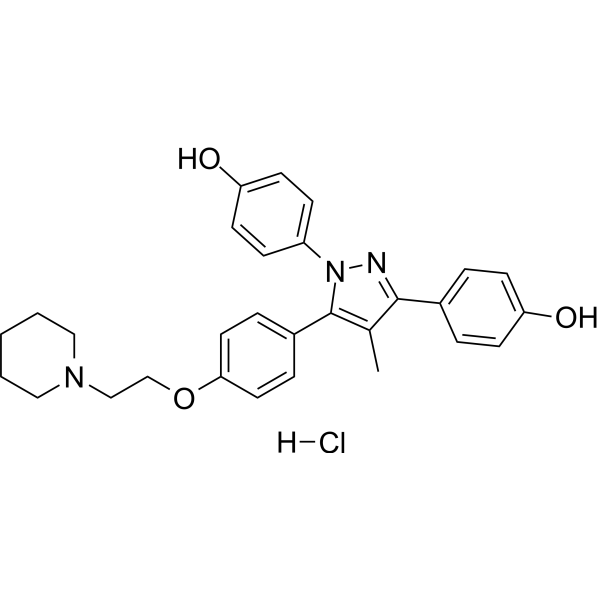 0 ImagesMPP hydrochloride is a potent and selective ER (estrogen receptor) modulator. MPP hydrochloride induces significant apoptosis in the endometrial cancer and oLE cell lines. MPP hydrochloride reverses the the positive effects of beta-estradiol. MPP hydrochloride has mixed agonist/antagonist action on murine uterine ERalpha in vivo.
-
Smurf1-IN-A01
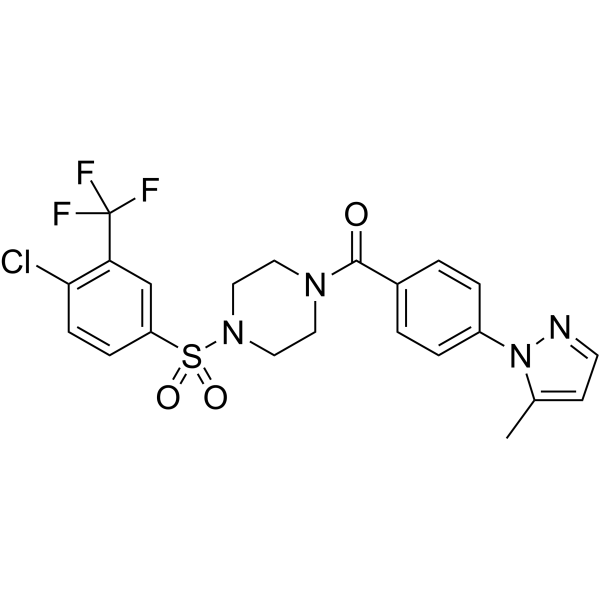 0 ImagesSynonyms: A01Smurf1-IN-A01 is a Smurf1 inhibitor. Smurf1-IN-A01 has anticancer activity and can be used for the research of osteoporosis and age-related macular degeneration.
-
Prinaberel
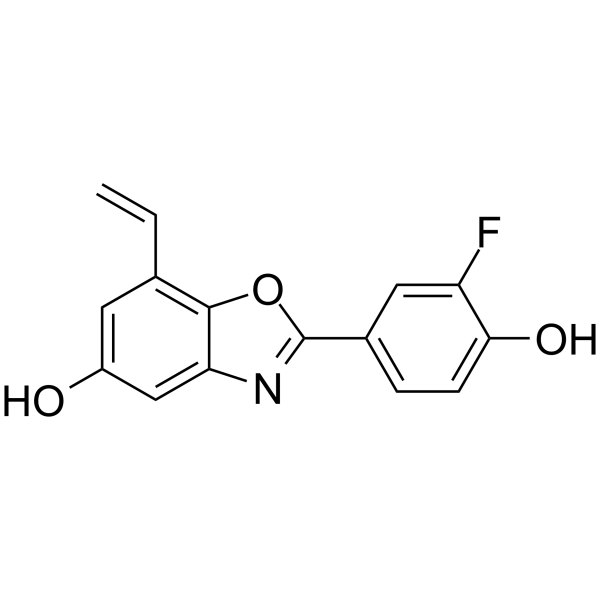 0 ImagesSynonyms: ERB-041Prinaberel (ERB-041) is a potent and selective estrogen receptor (ER) β agonist with IC50s of 5.4, 3.1 and 3.7 nM for human, rat and mouse ERβ, respectively. Prinaberel displays >200-fold selectivity for ERβ over ERα. Prinaberel is a potent skin cancer chemopreventive agent that acts by dampening the WNT/β-catenin signaling pathway. Prinaberel induces ovarian cancer apoptosis.
-
Brilanestrant
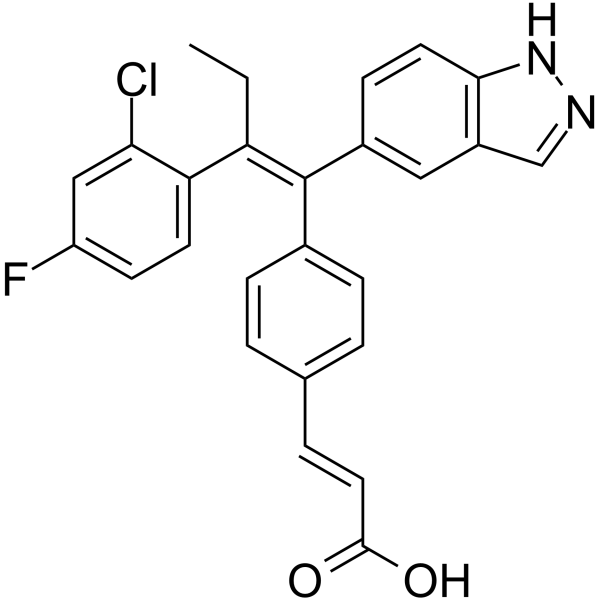 0 ImagesSynonyms: ARN-810; GDC-0810Brilanestrant (ARN-810; GDC-0810) is an orally bioavailable selective estrogen receptor degrader (SERD) with IC50 of 0.7 nM.
-
Endoxifen (Z-isomer)
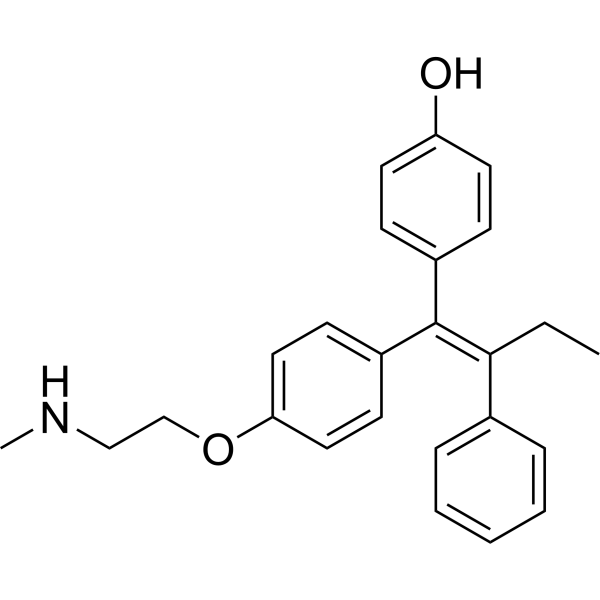 0 ImagesEndoxifen Z-isomer is an orally active selective PKCβ1 inhibitor with an IC50 of 360 nM against human PKCβ1. Endoxifen Z-isomer also acts as an estrogen receptor modulator and antiestrogen. Endoxifen Z-isomer binds to and blocks ERα, ERβ and PKCβ1, inhibits estrogen and PI3K/AKT/mTORC1 signaling pathways, suppresses the expression of genes associated with cell cycle, cell proliferation and extracellular matrix remodeling, and induces apoptosis, reactive oxygen species (ROS) production and hypoxic features. Endoxifen Z-isomer inhibits tumor growth in breast tumor and glioblastoma models, reduces bone turnover and blood lipid levels, and does not require metabolism via CYP2D6. Endoxifen Z-isomer can be used in research related to ER+ breast cancer, invasive breast cancer, glioblastoma multiforme, type I bipolar disorder, desmoid tumor, gynecological malignancies, melanoma and hormone receptor-positive solid tumors.
-
Amcenestrant
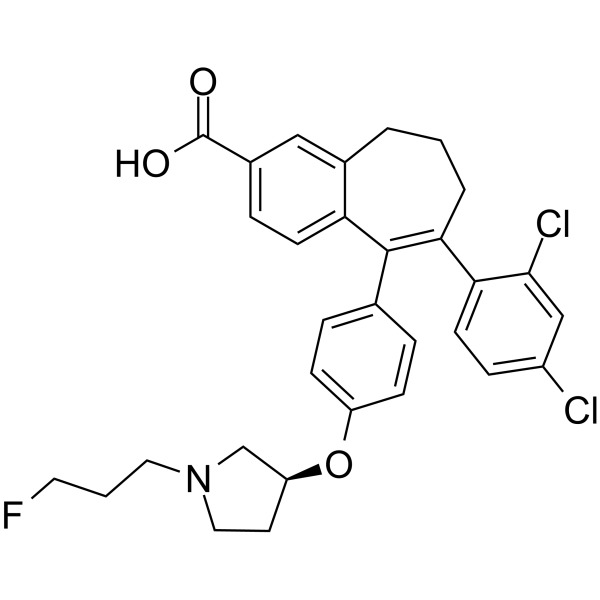 0 ImagesSynonyms: SAR439859SAR439859 (compound 43d) is an orally active, non-steroidal, and selective estrogen receptor degrader (SERD). SAR439859 is an effective ER antagonist with ER degradation activity, an EC50 of 0.2 nM. SAR439859 can show potent anti-tumor effects and limited cross-resistance in ER+ breast cancer.
-
WAY-200070
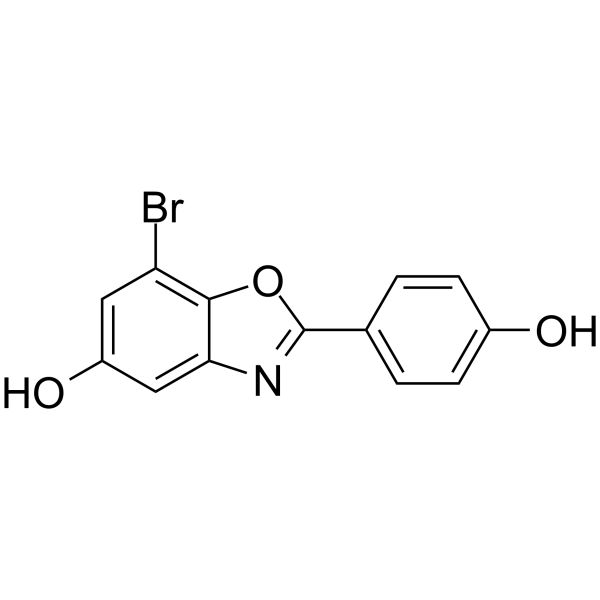 0 ImagesWAY-200070 is a selective estrogen receptor β (ERβ) agonist with an IC50 of 2.3 nM.
-
(-)-(E)-Guggulsterone
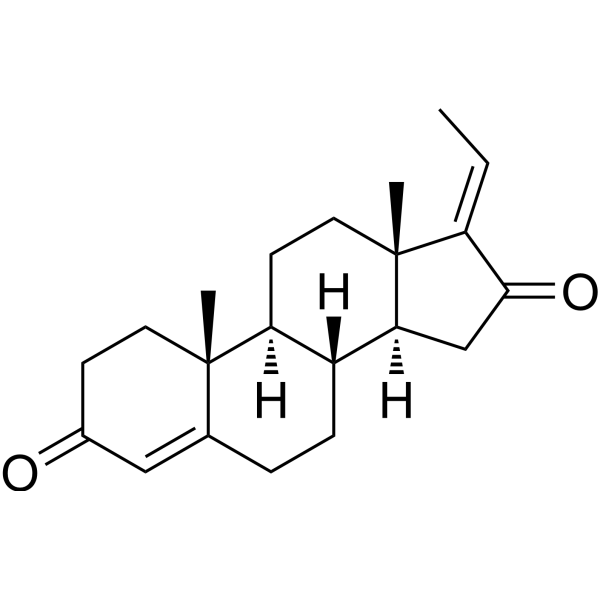 0 ImagesSynonyms: (E)-Guggulsterone(-)-(E)-Guggulsterone ((E)-Guggulsterone) is an orally active natural stereoisomer of Guggulsterone (HY-107738). (-)-(E)-Guggulsterone is an antagonist for the Farnesoid X Receptor (FXR) with an IC50 of 24.06 μM and possesses potent hypolipidemic properties. (-)-(E)-Guggulsterone suppresses dengue virus (DENV) replication by upregulating antiviral interferon responses by inducing HO-1 expression via Nrf2 activation. (-)-(E)-Guggulsterone exhibits antibacterial activities against Bacillus subtilis, Staphylococcus aureus and Pseudomonas aeruginosa. (-)-(E)-Guggulsterone has cardiac protective and antioxidant activities in rats.
-
FLTX1
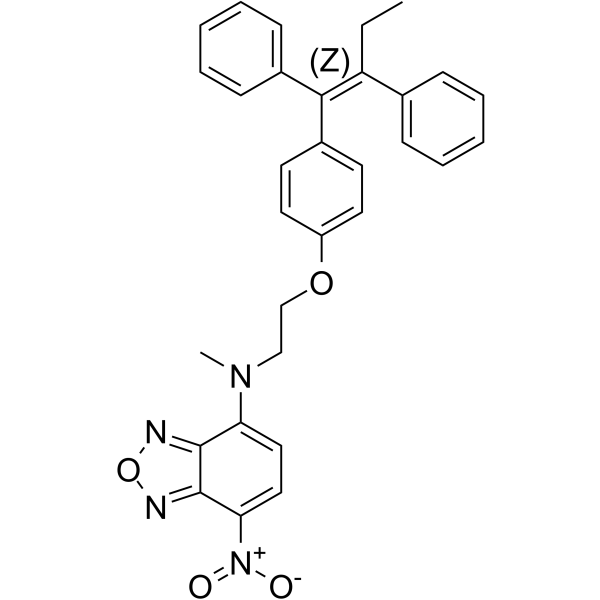 0 ImagesFLTX1 is a fluorescent Tamoxifen derivative that can specifically label intracellular Tamoxifen-binding sites (estrogen receptors) under permeabilized and non-permeabilized conditions. FLTX1 exhibits the potent antiestrogenic properties of Tamoxifen in breast cancer cells. FLTX1 is devoid of the estrogenic agonistic effect on the uterus.




